






Ways Tree Management Plans Reduce Long-Term Landscape Problems in Seneca

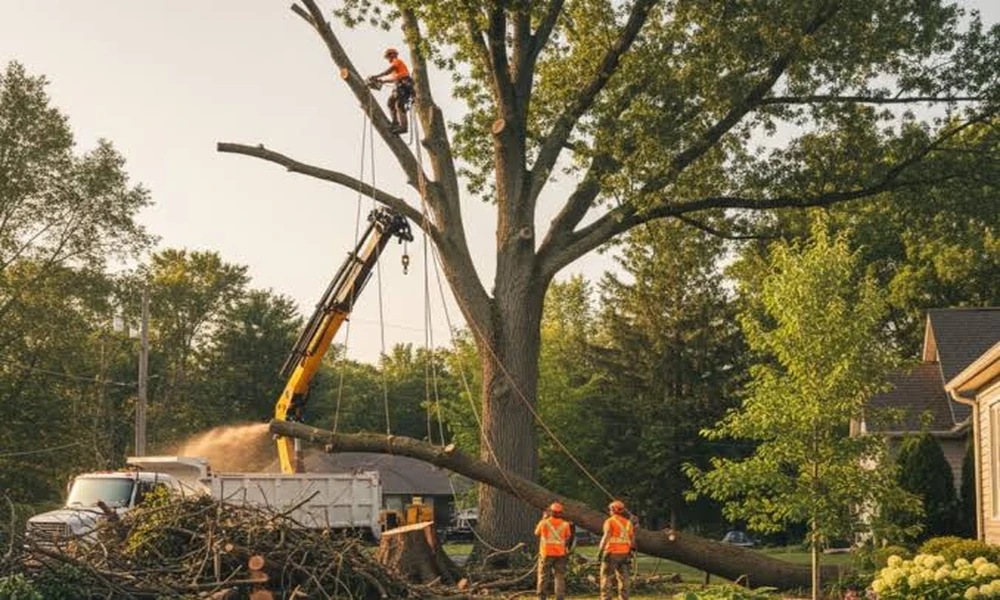
Trees affect drainage, shade, soil stability, and the condition of nearby landscape features. Small structural or health concerns can gradually lead to damaged lawns, weakened plants, blocked walkways, or unsafe branches. A tree management plan offered by the experts in Seneca creates an organized process for identifying and addressing those concerns early.
Professional Tree Services in Seneca, SC, can use inspections to document tree health, branch structure, root conditions, and site risks. The resulting plan sets clear priorities based on the condition and location of every tree. Property owners can then complete essential work before minor concerns create lasting landscape damage.
Identify Problems Before They Spread
A management plan schedules routine assessments instead of waiting for visible damage. Arborists can detect dead branches, weak unions, insect activity, disease symptoms, and declining growth during these inspections. Early action helps protect nearby trees, garden beds, structures, and outdoor living areas.
The plan also creates a written record of changes in tree condition. Storm damage, drought stress, construction activity, and soil disturbance can be tracked across several visits. This information helps professionals adjust maintenance recommendations before new problems affect the wider landscape.
Schedule Pruning At The Right Time
Planned pruning controls branch growth around roofs, driveways, sidewalks, and neighboring plants. The management schedule identifies which trees need crown cleaning, selective thinning, or clearance work. Timely pruning reduces broken limbs, blocked access, and heavy shade over lawns or planting areas.
Regular pruning also supports balanced branch structure as trees mature. Arborists can remove damaged or poorly positioned limbs before they become large structural concerns. This controlled approach protects the tree while limiting disruption to the surrounding property.
Protect Soil And Root Zones
A tree management plan can identify compacted soil, restricted root space, and drainage concerns before tree health declines. The EPA reports that urban trees can reduce stormwater runoff by absorbing 15% to 27% of annual rainfall, which shows why healthy roots and canopies deserve continued protection. Planned soil assessments and root-zone safeguards help preserve this natural drainage support across the landscape.
The plan may also establish protected areas around mature trees during construction or major yard work. Heavy equipment, stored materials, and added soil can damage roots without leaving immediate visible signs. Clear protection measures reduce delayed decline and costly landscape repairs.
Prepare Trees For Seasonal Weather
Seasonal inspections help property owners address weak limbs and unstable growth before severe weather arrives. The plan can prioritize pruning, structural support, or monitoring based on each tree’s condition. Advance preparation reduces the chance of fallen branches damaging fences, gardens, vehicles, or buildings.
A documented response plan also guides decisions after storms. Professionals can compare new damage with earlier inspection records and identify changes quickly. This process keeps emergency work connected to the property’s long-term landscape goals.
Prioritize Work Based On Risk
Tree management plans rank maintenance needs according to urgency, health, and potential property impact. High-risk branches or declining trees receive attention before routine cosmetic work. This order helps property owners use maintenance budgets on the most important landscape concerns first.
Experienced Tree Services in Seneca, SC, can update these priorities as tree conditions change. Some trees may need monitoring, while others may require pruning, cabling, bracing, or removal. Clear recommendations prevent repeated temporary fixes that fail to address the underlying problem.
Maintain Consistent Long-Term Care in Seneca
A practical management plan assigns inspection dates, maintenance priorities, and follow-up actions. This schedule prevents essential work from being postponed until damage becomes visible. Consistent care supports healthy trees and protects the surrounding landscape through changing seasons.
Tree management plans turn scattered maintenance tasks into a clear property-care strategy. Regular evaluations, timely pruning, root protection, and risk-based decisions reduce avoidable landscape problems. The result is a safer, healthier, and easier-to-maintain outdoor space in Seneca.