





How Aluminium Recycling Supports a More Sustainable Industrial Future


When we talk about sustainability, packaging and industrial materials often take centre stage. Aluminium has become more than just a practical option; it is a symbol of how industries can balance growth with responsibility.
Its recyclability, impressive energy efficiency, and wide versatility make it a cornerstone of eco-friendly solutions. By saving energy, reducing emissions, and supporting a circular economy, aluminium is paving the way toward a cleaner, smarter, and more sustainable industrial future.
Aluminum vs Tin: A Changing Perspective
The debate on aluminum vs tin shows that industries are shifting toward materials that balance durability with sustainability. Tinplate has long been valued for its strength, but aluminium is now seen as the smarter choice for a greener future. At uCan-Packaging, the focus is on packaging that protects products while aligning with global sustainability goals, and reshaping strategies across industries.
Why Aluminium Recycling Matters
Recycling aluminium is not just about reducing waste; it is about transforming the way industries operate. Here is why it is so critical:
- Energy savings: Recycling aluminium uses up to 95% less energy compared to producing new material from raw ore.
- Infinite recyclability: Unlike many materials, aluminium can be recycled endlessly without losing quality.
- Carbon footprint reduction: Lower energy use means fewer emissions, supporting climate goals.
- Economic value: Recycling creates jobs and reduces costs for industries.
- Circular economy: Aluminium recycling keeps materials in use, reducing reliance on mining.
Industrial Applications
Aluminium recycling supports a wide range of industries, making it a versatile solution:
- Packaging: Beverage cans, bottles, and food containers benefit from recycled aluminium.
- Construction: Doors, windows, and structural components use recycled material.
- Automotive: Lightweight aluminium parts improve fuel efficiency and reduce emissions.
- Electronics: Durable casings and components rely on recycled aluminium.
Sustainability and Growth
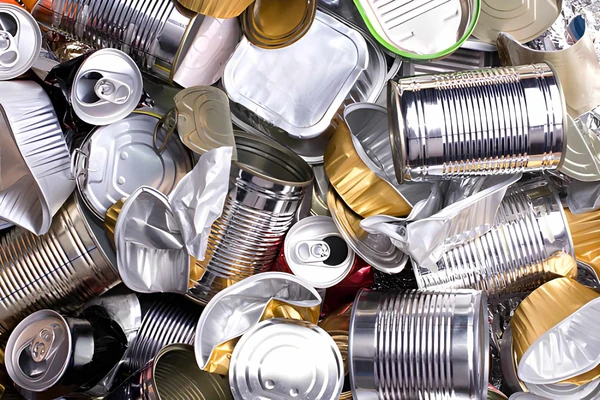
Industries are under pressure to grow while reducing their environmental impact. Aluminium recycling offers a practical solution. By cutting energy use and emissions, it allows companies to expand without compromising sustainability. It is not just about compliance; it is about building trust with consumers who value eco-friendly practices.
The Emotional Side of Recycling
Let us be honest; people care about the story behind the products they buy. Knowing that a beverage can or cosmetic bottle is made from recycled aluminium adds emotional value. It signals responsibility, care, and attention to detail. For brands, this connection is powerful in building loyalty and trust.
Looking Ahead
Aluminium recycling is not just a trend; it is the future of industrial sustainability. As more businesses embrace circular practices, aluminium will remain central to packaging, construction, and beyond. Its ability to combine eco-friendliness with economic value ensures it will play a vital role in shaping industries for years to come.
Final Thoughts
From packaging to automotive, aluminium recycling shows that sustainability and industrial growth can truly work together. By saving up to 95% of the energy compared to producing new aluminium, it dramatically reduces emissions while supporting a circular economy.
For both industries and consumers, aluminium is more than just a material; it is a pathway toward a cleaner, smarter, and more responsible future where progress and eco-consciousness go hand in hand.