






Strategies for Ensuring Safety and Efficiency through Creative Shoring Designs

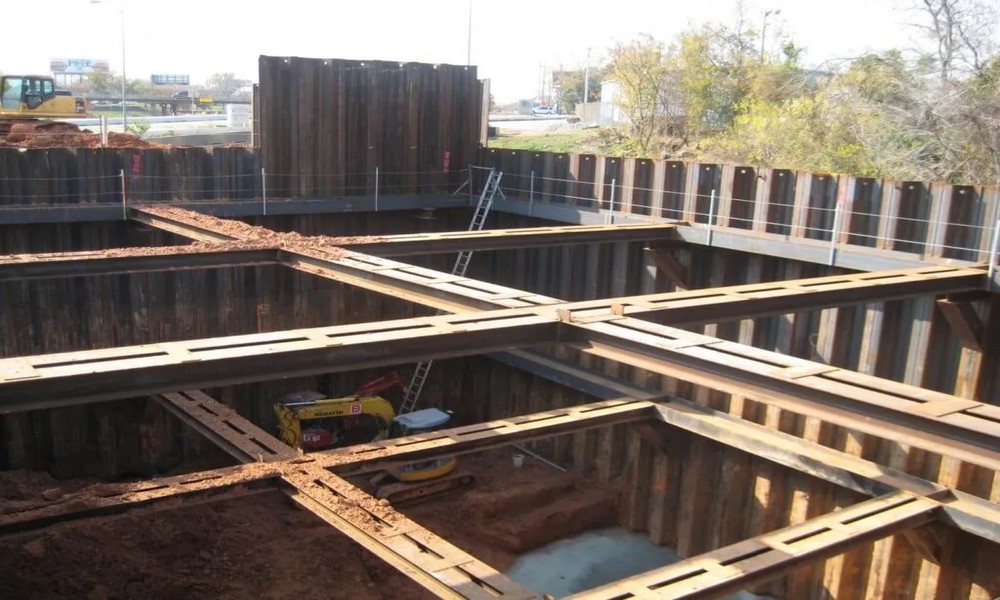
When a construction project pushes boundaries, whether it’s a multi-story tower or a new bridge, the stability of what supports it, even for a short time, becomes the linchpin between progress and disaster. Shoring design is rarely glamorous, but its impact on safety and efficiency is undeniable.
The Art and Science of Creative Shoring Designs
Creative shoring is not just about holding things up. It’s a blend of precise calculations, hands-on experience, and inventive engineering. As urban sites get tighter and projects grow in scale, the old “one-size-fits-all” approach to temporary structural support falls short. Every site is a puzzle, and only a tailored shoring plan can keep the risks at bay while meeting ambitious timelines.
Balancing Safety, Efficiency, and Innovation
The most effective shoring solutions are engineered with both safety and efficiency in mind. This requires not only complying with codes but often going beyond baseline standards to anticipate unpredictable loads, site-specific constraints, and the real-world behavior of construction crews and equipment.
Why Conventional Shoring Falls Short in Complex Projects
Traditional shoring systems often lack the flexibility to adapt to the demands of complex builds. Rigid, generic frameworks may slow progress, increase material waste, or even expose teams to avoidable hazards. Creative shoring, based on site realities and advanced modeling, delivers stability without roadblocks.
Case Study 1: Multi-Story Building Shoring Challenge
Picture a bustling city center with space for construction at a premium. One recent project involved a high-rise where the lower floors had to bear not just their own weight, but the tremendous load from several stories above before permanent supports were in place.
Project Overview and Initial Constraints
The challenges were clear: limited laydown area, tight schedules, and strict safety oversight. Standard shoring plans would have required excess material and time, both at a premium in this urban setting.
Innovative Engineering Solutions Deployed
Engineers employed a modular shoring system that could be rapidly assembled, reconfigured for each stage, and reused as the project advanced. Advanced load modeling predicted stress concentrations, allowing for targeted reinforcement rather than blanket over-engineering.
Impact on Safety Metrics and Timeline Efficiency
The result? Incident rates dropped to near zero for shoring-related tasks, and the project shaved weeks off the original schedule, all while using fewer materials.
Case Study 2: Infrastructure Project – Bridge and Viaduct Support
Infrastructure shoring brings its own headaches: variable soil conditions, live traffic, and weather exposure. A major viaduct retrofit demanded support systems that could integrate with aging structures and adapt to unpredictable site conditions.
Unique Structural Demands and Site Conditions
Heavy equipment traffic and tight work windows required shoring that could be installed and removed with minimal disruption, while handling complex load paths from both existing and new bridge elements.
Hybrid Designs: Combining Materials and Techniques
The solution blended steel frames with engineered timber, leveraging the strength of steel and the adaptability of timber. This hybrid approach minimized the footprint and maximized onsite flexibility.
Lessons Learned: Enhancing Durability and Cost Control
Beyond meeting the immediate needs, the hybrid system reduced the number of unique parts required, simplified logistics, and allowed teams to reuse components on future projects, delivering both durability and cost savings.
Integrating Engineering Expertise and Material Selection
No shoring solution succeeds without deep engineering skill. Advanced modeling and calculation ensure that the design fits the project, not just the textbook.
The Role of Advanced Calculations in Design Optimization
Accurate simulations identify risk hotspots and optimize load paths. Mistakes here can lead to catastrophic failures or costly overbuilds.
Material Choices: From Steel to Engineered Timber and Composites
Modern shoring leverages a mix of materials. Steel offers strength and precision; engineered timber brings flexibility and speed; composites add durability where needed. Selecting the right combination requires both technical acumen and practical know-how.
Equipment Coordination and Supply Chain Management
A creative design is only as good as its execution. Coordinating specialized equipment and ensuring timely delivery keeps the project moving and avoids costly delays.
Collaborative Workflow for On-Site Success
Real innovation in shoring design happens through collaboration. Early engagement with clients and field teams uncovers constraints that CAD models alone can’t anticipate.
Early Client Engagement and Needs Assessment
Understanding the client’s vision and operational realities shapes better, safer solutions from day one.
Custom Solution Development with Cross-Disciplinary Teams
Engineers, suppliers, and contractors work together to craft systems that meet structural, logistical, and budgetary needs in unison.
Real-Time Support and Quality Assurance During Construction
Ongoing support, from shop drawings to on-site adjustments, ensures that the designed system performs as intended. This is where an ingénieur coffrage NadeauSDM becomes invaluable, bringing expertise that combines engineering rigor with real-world practicality.
Safety Protocols Embedded in Creative Shoring
Failing to anticipate the specific hazards of temporary support is a recipe for disaster.
Identifying and Mitigating Risks Unique to Temporary Structures
From uneven ground to unexpected loads, proactive risk identification keeps workers and the public safe.
Compliance with Regulatory Standards and Best Practices
Creative doesn’t mean reckless. Every design respects (and often exceeds) local and international standards.
Monitoring and Adjusting Shoring Systems Throughout Project Life
Conditions change. Continuous monitoring and adjustment prevent small issues from becoming major incidents.
Achieving Efficiency without Compromising Stability
Time and budget are always at odds with safety, but smart engineering bridges the gap.
Time Savings Through Modular and Adaptive Systems
Modular shoring accelerates installation and removal, adapting to changing project phases without missing a beat.
Reducing Resource Waste with Smart Engineering
Optimized designs mean fewer materials used and less waste generated, which translates into lower costs and less environmental impact.
Case Outcomes: Quantifiable Gains in Budget and Schedule
Across projects, creative shoring routinely delivers double-digit time savings and measurable reductions in costs, all while maintaining stellar safety records.
Future Trends in Shoring Design
The toolbox keeps expanding. Digital modeling, artificial intelligence, and sustainable materials are rapidly reshaping what’s possible in temporary structural support.
Emerging Technologies: Digital Modeling and AI Assistance
From real-time load monitoring to predictive maintenance, technology is unlocking new ways to safeguard both people and processes.
Sustainability Considerations in Temporary Structural Support
The shift toward reusable, lower-carbon materials is gaining speed, driven by both regulation and market demand.
Preparing for Increasingly Complex Construction Demands
As projects grow more ambitious, so must the strategies for temporary support. Only a creative, engineering-led approach will keep tomorrow’s challenges from becoming today’s failures.