






How Professional House Painting Can Refresh and Protect Your Home

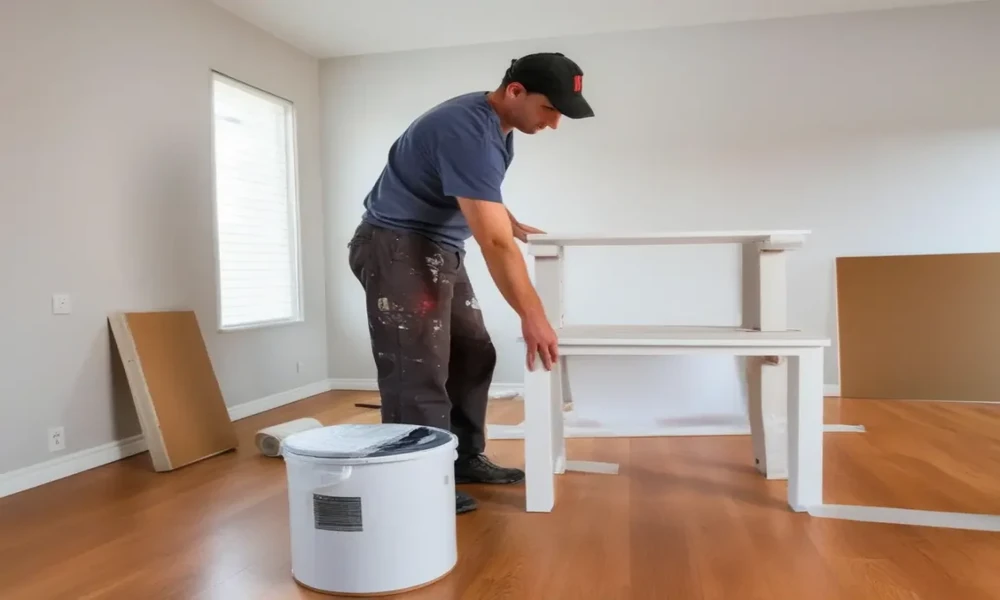
A fresh coat of paint can completely change the look and feel of a home. It can make rooms appear brighter, cleaner, more modern, and more comfortable without requiring a full renovation. Painting is also more than a cosmetic upgrade. Proper preparation and high-quality application can help protect walls, ceilings, trim, and other surfaces from everyday wear.
Many homeowners start painting projects because colors look outdated, walls have become marked or damaged, or they simply want a new atmosphere. However, achieving a smooth and consistent finish often requires more than choosing a color and applying paint. Surface preparation, repairs, priming, product selection, and technique all influence the final result. Homeowners looking for help with a complete interior refresh may consider BuildRex house painting when planning painting, plastering, drywall, or related improvement work.
Why House Painting Has Such a Big Visual Impact
Walls cover a large portion of every room, which means their color and condition have a major influence on the overall appearance of the home. Even high-quality furniture and décor may not look their best when walls are faded, stained, cracked, or covered with old paint.
Painting creates an opportunity to update the entire space without replacing major features. A lighter color can help a smaller room feel more open, while deeper tones may create warmth and character. Neutral shades can provide a flexible background for changing furniture and accessories.
Fresh paint can also help create continuity between different rooms. Using coordinated colors across hallways, living spaces, bedrooms, and kitchens can make the home feel more intentional and visually connected.
Why Surface Preparation Matters Before Painting
One of the most important parts of a successful painting project happens before the first coat is applied. Paint cannot hide every imperfection. In some cases, fresh paint can actually make cracks, dents, rough patches, and uneven surfaces more noticeable.
Professional preparation may involve:
- Filling nail holes and small cracks
- Repairing damaged plaster or drywall
- Sanding rough areas
- Cleaning dirt, grease, and dust from surfaces
- Removing loose or peeling paint
- Caulking appropriate gaps
- Applying primer where needed
These steps help create a smoother surface and give the paint a better foundation. Proper preparation can also improve adhesion and reduce problems such as peeling, cracking, or uneven coverage.
How Plaster and Drywall Repairs Improve Painting Results
Many homes have walls that require minor repair before painting begins. Cracks may appear because of normal settling, while accidental impact can leave dents or holes. Older plaster may also develop chipped or uneven areas over time.
Simply painting over these defects will not solve them. The damage often remains visible beneath the new finish.
Repairing plaster and drywall first helps create a more uniform surface. Once the repair material is properly applied, dried, sanded, and primed, the final paint can blend much more naturally across the wall.
This is one reason painting and wall repair services often go together. Coordinating both parts of the project can lead to a cleaner and more professional result.
Choosing the Right Paint Color for Your Home
Color selection can feel overwhelming because even similar shades may look very different once they are applied to a full room. Lighting, flooring, furniture, room size, and surrounding colors all affect how paint appears.
Consider Natural Light
Rooms with large windows may change dramatically throughout the day. A color that appears warm in morning light may look cooler in the evening.
Look at Existing Materials
Flooring, cabinets, countertops, furniture, and trim should all be considered when choosing wall colors.
Think About Room Function
Bedrooms may benefit from calm and relaxing shades, while kitchens and living rooms may support brighter or more energetic options.
Test Before Committing
Small sample areas can help homeowners see how a color actually behaves in the space before painting the entire room.
Choosing carefully can reduce the chance of repainting simply because the final color looks different from what was expected.
Why Paint Finish Is Just as Important as Color
The finish determines how much light the paint reflects and how the surface responds to cleaning and wear.
Flat or Matte
These finishes reflect less light and can help create a soft appearance. They may also reduce the visibility of minor wall imperfections.
Eggshell
Eggshell offers a subtle sheen and is commonly chosen for living areas because it balances appearance and practicality.
Satin
Satin finishes are more reflective and may be easier to clean, making them useful in higher-traffic areas.
Semi-Gloss
Semi-gloss is often selected for trim, doors, and surfaces that need greater durability and easier cleaning.
The best finish depends on the room, surface condition, and level of daily activity.
The Benefits of Professional House Painting
DIY painting can work for small projects, but larger or more detailed jobs can quickly become time-consuming. Professional painters can help manage the full process more efficiently.
More Consistent Coverage
Experienced painters know how to apply paint evenly and reduce visible roller marks, streaks, and uneven edges.
Better Preparation
Professionals can identify surface problems that should be repaired before painting begins.
Cleaner Edges and Details
Trim, corners, ceilings, door frames, and other detailed areas require careful technique for a polished finish.
Faster Project Completion
An experienced crew can often complete larger spaces more efficiently than a homeowner working around other responsibilities.
Proper Tools and Materials
Professional equipment can help with surface preparation, protection, application, and cleanup.
House Painting Can Support Property Value
A clean, freshly painted interior can create a strong impression on visitors and potential buyers. Walls that appear damaged or heavily marked may make a home feel neglected, even when the rest of the property is in good condition.
Painting can be particularly valuable before listing a home for sale. Neutral and well-maintained interiors often help buyers focus on the room itself rather than old color choices or visible wall damage.
For homeowners who are not selling, fresh paint can still improve everyday enjoyment of the property. A room that feels brighter and cleaner may simply be more pleasant to spend time in.
When Is It Time to Repaint?
There is no single schedule that works for every room. Some areas experience much more wear than others.
A repaint may be worth considering when:
- Walls have become heavily marked or stained
- Paint is peeling, cracking, or bubbling
- Colors feel outdated
- Repairs have created visible patches
- The room has been renovated
- You are preparing the property for sale
- You want to create a different atmosphere
High-traffic hallways, kitchens, children’s rooms, and entryways may need attention sooner than less frequently used spaces.
Why Interior Painting Is Often Part of a Larger Renovation
Painting is usually one of the final stages of an interior improvement project. Contractors may first need to complete drywall repairs, plaster work, carpentry, electrical changes, or other modifications.
Completing painting after these tasks helps produce a cleaner result. It also prevents freshly painted surfaces from being damaged by later construction work.
For larger projects, coordinating wall repair and painting with the rest of the renovation can help create consistency and reduce unnecessary delays.
How Professional Painting Helps Protect Surfaces
Paint provides more than color. A properly applied finish creates an additional layer over walls, trim, and other surfaces. This can help reduce the effects of everyday contact, minor scuffs, and general wear.
In rooms exposed to higher humidity or frequent cleaning, selecting suitable paint products becomes especially important. Kitchens, bathrooms, entry areas, and family spaces may have different requirements than bedrooms or formal rooms.
Using the right materials for each area can support better long-term performance.
What to Look for in a House Painting Contractor
Choosing a contractor should involve more than comparing the lowest price.
Detailed Preparation
Ask how surfaces will be repaired, cleaned, sanded, and prepared before painting.
Clear Scope of Work
You should understand which walls, ceilings, trim, doors, and repairs are included.
Attention to Protection
Furniture, flooring, fixtures, and nearby surfaces should be protected during the project.
Experience With Repairs
A contractor who understands plaster and drywall repair may be better prepared to address damaged surfaces before painting.
Good Communication
Clear scheduling and explanations can make the project easier to manage.
Final Thoughts
House painting is one of the most effective ways to refresh a home without undertaking a complete renovation. New color can transform the atmosphere of a room, but the quality of the result depends heavily on proper preparation, wall repair, paint selection, and application.
Professional painting can help create smoother surfaces, cleaner edges, more consistent coverage, and a finish that feels intentional throughout the property. By repairing plaster or drywall before painting and choosing suitable products for each space, homeowners can achieve an update that improves both appearance and everyday comfort.