




E-Scooter and E-Bike Accidents in Jersey City: How The Law Offices of Anthony Carbone Sorts Out Who Pays When There’s No License or Insurance Involved

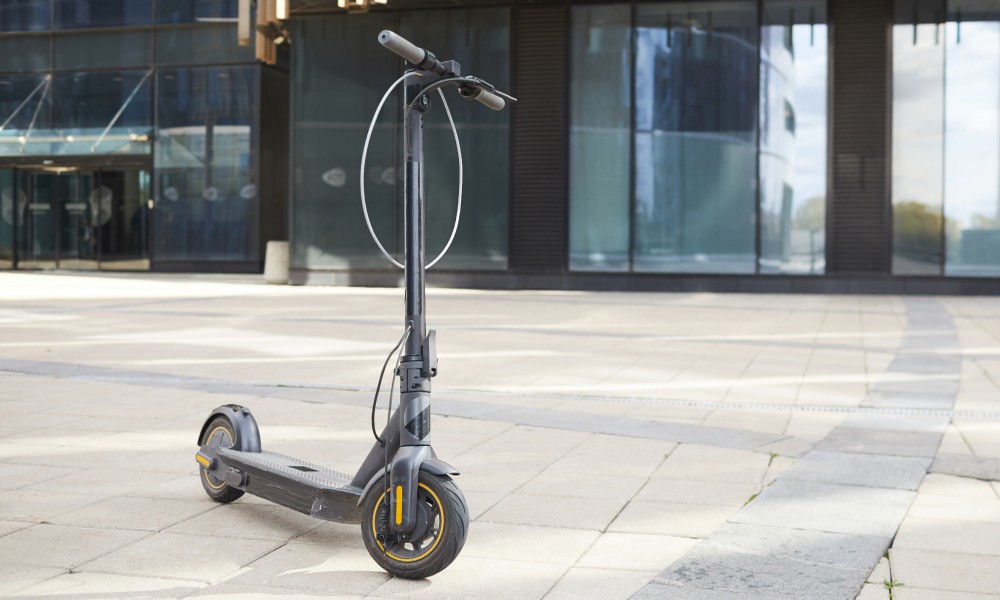
Lime, Spin, Citi Bike, and a wave of privately owned electric scooters and bicycles have changed how people move through Jersey City. They are everywhere on Grove Street, around the Newport waterfront, and along the bike lanes that have spread across Hudson County. The collisions that come with them do not always fit the framework drivers and pedestrians are used to. The Law Offices of Anthony Carbone gets calls every month from people who were either riding an e-scooter when a car hit them, or walking on a sidewalk when a rider clipped them, and the first question is almost always the same. Where does the money come from when no one carries a license, a registration, or an insurance policy on the device involved?
How New Jersey Classifies E-Scooters and E-Bikes
The legal status of these vehicles is the starting point. Under N.J.S.A. 39:4-14.16, low-speed electric scooters with a top speed of 19 miles per hour or less are treated much like bicycles. The rider does not need a driver’s license, the device does not need to be registered, and no insurance is required to operate it on roads, bike lanes, or shared paths. Low-speed electric bicycles, defined under New Jersey’s bicycle statutes, fall in the same general lane. Class 1 and Class 2 e-bikes capping out at 20 miles per hour are treated as bicycles for licensing and registration purposes.
That regulatory choice was deliberate, but it leaves a gap when a crash happens. There is no automatic auto liability policy attached to the rider, no registration trail leading to a Vehicle Identification Number, and no PIP coverage flowing from the device itself.
When a Rider Causes Injury to a Pedestrian or Cyclist
A walker on a Jersey City sidewalk struck by an e-scooter rider is in a different position than a walker hit by a car. The standard auto insurance pathways do not lead anywhere because the scooter is not a covered vehicle and the rider is not an insured driver in any auto policy sense.
Recovery in those cases usually depends on whether the rider has a homeowner’s or renter’s insurance policy. Most of those policies include personal liability coverage for bodily injury the policyholder causes to others, and because e-scooters and low-speed e-bikes are not classified as motor vehicles under New Jersey law, the standard motor vehicle exclusion in homeowner’s policies often does not apply. That detail surprises a lot of riders, and it surprises some adjusters too. A careful claim presentation, citing the scooter’s classification under 39:4-14.16, frequently opens up a coverage source the rider did not know existed.
When the rider has no homeowner’s or renter’s insurance, recovery moves to personal assets through a direct lawsuit. Wages can be garnished, bank accounts can be reached, and judgments can sit on real estate for years. None of that produces a quick payout, but it remains an option for serious injury cases where medical bills run into six figures.
When a Car Hits an E-Scooter or E-Bike Rider
The flip scenario is more common in Jersey City. A rider on Kennedy Boulevard or Christopher Columbus Drive gets struck by a turning vehicle, and the question becomes whether any auto coverage applies to the rider’s injuries.
It usually does. New Jersey’s No-Fault Act extends personal injury protection benefits to a person who would otherwise be a pedestrian for purposes of the statute. A rider on a bicycle or low-speed scooter, struck by an automobile, is treated as a pedestrian under N.J.S.A. 39:6A-4 for PIP purposes. The rider turns first to their own auto policy if they own one, then to a resident relative’s auto policy, and finally to the policy of the vehicle that hit them. If no policy is available anywhere, the New Jersey Unsatisfied Claim and Judgment Fund becomes the last resort.
The bodily injury claim against the at-fault driver runs separately. Pain, suffering, permanent injury, and economic loss above PIP limits are recovered from the driver’s liability coverage, subject to whichever tort threshold applies on the rider’s own policy.
What The Law Offices of Anthony Carbone Looks at First
These cases turn on details that get overlooked when people try to handle them through phone calls with adjusters. Whether the device qualified as a low-speed scooter or a higher-speed model that required registration. Whether the rider was on a sidewalk in violation of a Jersey City ordinance. Whether the at-fault driver was operating commercially, which can open up commercial auto coverage with much higher limits. Whether a rental program operator carries supplemental insurance that applies to the user.
The first move on a serious injury claim is often a coverage hunt. Pulling the at-fault driver’s declarations page, checking the rider’s household auto policies, requesting the rideshare company’s insurance information if a Lime or Spin scooter was involved, and looking at the rider’s homeowner’s or renter’s policy if the rider was the one who caused harm. Each of those sources can be the difference between a claim that pays medical bills and a claim that disappears.
Getting a Real Answer About Your Case
Anyone hurt in an e-scooter or e-bike accident in Jersey City, Hoboken, Bayonne, or anywhere else in Hudson County should get a clear read on the available coverage before agreeing to anything with an insurer. The Law Offices of Anthony Carbone offers a free consultation for accident victims across New Jersey and will walk through the specific policies, the relevant statutes, and the realistic value of the claim. Reach out before the deadlines and the missing video footage start narrowing your options.