






How Family Dentists Create Educational Opportunities For Kids And Parents

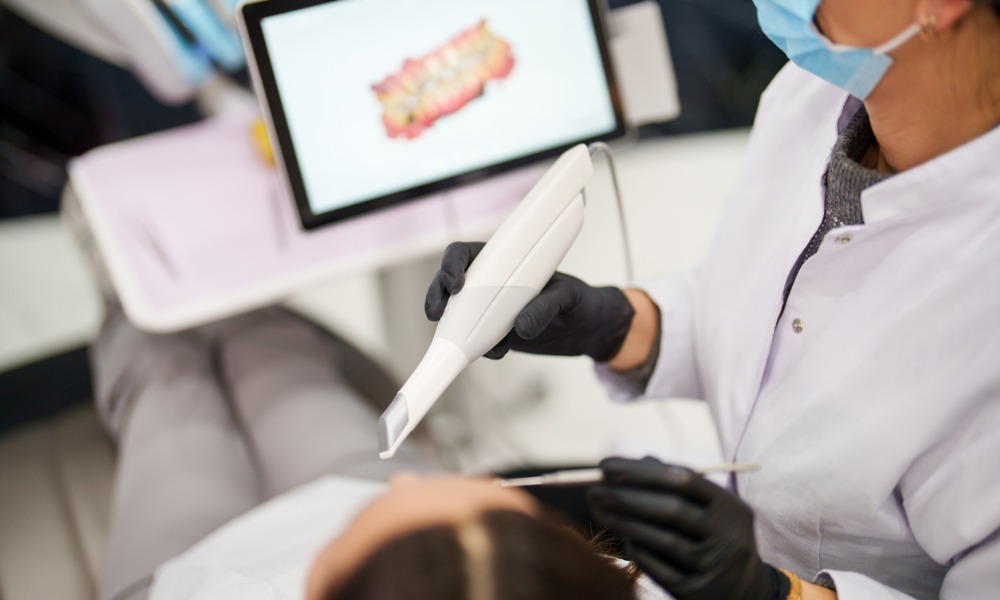
Family visits to the dentist can feel tense. You may worry about your child’s fear, your own past pain, or the cost of one more appointment. A good family dentist changes that story. You meet someone who teaches, not just treats. A Southeast Portland dentist can turn each visit into a short class for you and your child. You both learn how sugar harms teeth, how brushing works, and why small problems grow fast. You see tools. You hear clear words. You ask hard questions. You leave with simple steps you can use that same day. Over time, your child gains trust. You gain control. Together you build habits that protect teeth, speech, and sleep. This blog shows how family dentists create these learning moments, how they speak with children, and how they support you as a parent.
Turning the exam room into a classroom
A family dentist uses each step of the visit to teach. You and your child do not just sit and wait. You take part.
- The dentist names each tool in plain words
- They explain what will happen before it starts
- They show pictures of teeth, gums, and jaws
This steady teaching lowers fear. Your child sees that nothing is hidden. You see where problems start and how to stop them early. You gain clear reasons for each test or x ray. You also get honest talk about cost and timing so you can plan care without panic.
Teaching kids through simple, daily habits
Children learn most from small actions they repeat. A family dentist uses that truth. They give your child short lessons they can copy at home.
- How to hold a toothbrush
- How long to brush
- How to clean between teeth
The dentist often uses a model mouth. Your child practices on it. Then they try on their own teeth. You watch so you can coach later. This turns a dull chore into a clear task. It also gives your child a sense of pride. They feel they can care for their own body.
Helping parents understand risk and timing
Many parents guess about when to start care. A family dentist removes that guesswork. They walk through stages of your child’s mouth.
- Baby teeth coming in
- Mixed baby and adult teeth
- Full adult teeth
At each stage they explain what is normal and what is a warning sign. You learn when thumb sucking matters. You see when crowding might need braces. You hear when a sore or spot needs a quick visit. This early warning saves money and pain. It also keeps school days and work days from being lost to sudden toothaches.
Using stories and visuals that stick
Facts alone often fade. A strong family dentist uses stories, short games, and clear images. A story about “sugar bugs” staying on teeth after juice can move a child more than a chart of numbers. A color picture of early decay can move a parent more than a long talk.
Many offices hang posters that show teeth at each age. Some use short videos during cleanings. Others give small handouts with pictures your child can color. Each method turns a short visit into a memory that lasts at home and at school.
Comparing common teaching tools at family dental visits
|
Teaching tool |
Main goal |
Best for |
What you can do at home |
|---|---|---|---|
|
Tooth model and brush |
Show brushing steps |
Young children |
Practice the same motions in a mirror |
|
Disclosing tablets |
Reveal missed plaque |
School age kids |
Use tablets monthly to check brushing |
|
Printed charts |
Explain growth stages |
Parents |
Track tooth loss and new teeth on a chart |
|
Short videos |
Hold focus during cleaning |
All ages |
Rewatch similar clips from trusted sites |
|
Story based talk |
Make habits feel real |
Young and sensitive kids |
Retell the same stories before bedtime brushing |
Building shared language for tough moments
Words can inflame fear or calm it. A strong family dentist chooses words that help your child stay steady. Instead of saying “shot” they may say “sleepy juice.” Instead of “drill” they may say “tooth cleaner.” You can use the same words at home. That shared language keeps your child from feeling trapped between two worlds.
The dentist also guides you on what to say before a visit. Short clear lines work best. For example.
- “The dentist will count your teeth and clean them.”
- “You can ask questions at any time.”
- “If you feel scared, you can squeeze my hand.”
This kind of talk respects your child. It also respects your own worry. You both enter with open eyes.
Connecting dental health with whole body health
Family dentists do not stop at teeth. They explain how mouth health touches growth, sleep, and learning. Untreated decay can cause pain that hurts focus in class. Gum problems can link with health issues in adults. A dentist who names these links gives weight to daily care.
The National Institute of Dental and Craniofacial Research shares clear data on this connection at NIDCR children’s oral health. Pair that science with your dentist’s guidance. Then you can make strong choices about food, sports drinks, and tobacco in the home.
Turning each visit into a plan you can use
You should leave each visit with three things. First, a clear picture of your child’s mouth today. Second, a short list of home steps. Third, a simple schedule for the next check. Many family dentists write this in plain words for you. They may add a sticker chart or small calendar for your child.
Use that plan where you will see it. Place it on the bathroom mirror. Put the next visit date in your phone. Ask your child to help track stickers or stars. This shared plan turns dental health from a vague hope into steady action.
How you can support the learning process
You do not need training to support this teaching. You only need three steady moves.
- Ask one question at each visit
- Repeat one lesson at home that same day
- Praise one effort your child makes
When you treat the dentist as a partner, your child sees that care is normal. They learn that asking for help is a sign of strength. Over time, the exam room becomes a place of skill, not fear. You and your child walk out with more than clean teeth. You walk out with knowledge you can use for life.