






Strategies for Enhancing Loading Dock Efficiency Through Better Sealing and Shelter Options

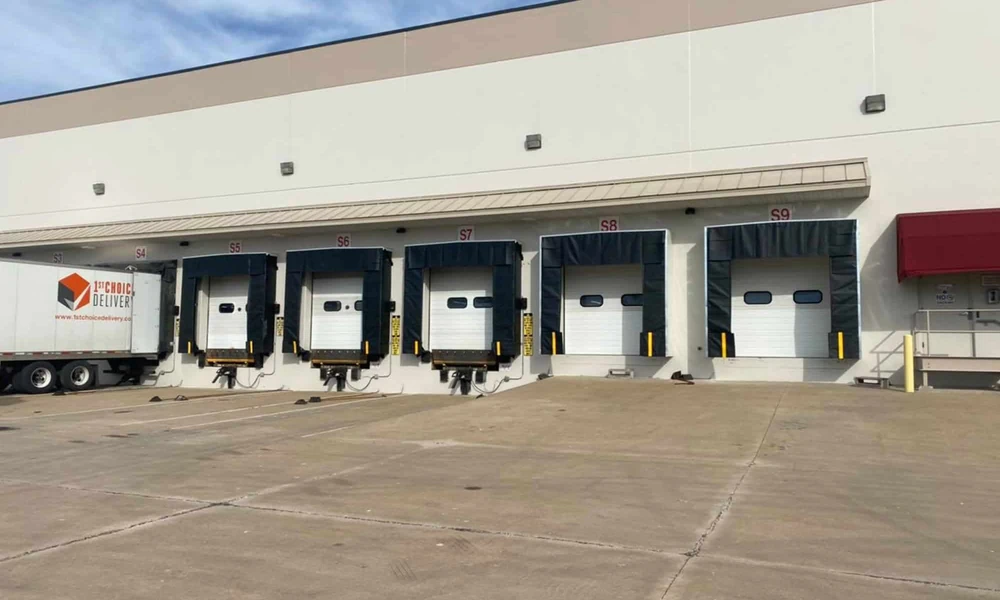
Biting winds, extreme temperatures, and the constant rumble of trailers, loading docks are the pulse of many operations, but they’re often sources of wasted energy, delays, and risk. What’s standing between a seamless dock operation and recurring headaches is often as simple as having the right seals and shelters in place.
Why Loading Dock Efficiency Matters: Real-World Impact
Every minute lost at a loading dock chips away at profits. When conditioned air leaks out or contaminants blow in, costs soar, not just on energy bills but in product loss, equipment wear, and even worker safety. A major logistics provider once discovered their annual energy loss from a single poorly sealed dock was enough to power a small home for nearly a year.
Case Study: Cost Savings from Energy Loss Reduction
One regional distributor tracked their energy use before and after upgrading dock sealing systems. The results were striking: a 16% drop in HVAC costs and consistently lower utility bills throughout the year.
Operational Delays Linked to Poor Dock Sealing
It’s not just about dollars. Trucks sitting idle because of water pooling from leaky seals or forklifts slowing down to avoid slippery, exposed areas translates to missed delivery windows and frustrated staff.
Exploring Dock Seals and Shelters: Types and Functions
Dock seals and shelters come in multiple forms, each engineered for different scenarios. Understanding the differences is essential for choosing what works best in your facility.
Fixed vs. Adjustable Seals: Choosing the Right Fit
Fixed head pad seals form a snug barrier around dock openings, ideal for uniform fleets. Adjustable head curtain seals, on the other hand, flex to accommodate trailers of varying heights, ensuring a tight fit without extra hassle.
Inflatable Seals and Shelters: Adaptive Protection in Action
Inflatable dock seals and shelters are a game-changer where variability is the norm. With the push of a button, these units inflate to hug the trailer, reducing the gap (and energy loss) to nearly zero. They also minimize wear on the building itself by dampening trailer impact.
Case Example: Matching Seal Types to Different Loading Environments
A food distributor servicing both box trucks and semi-trailers needed versatility. By installing a mix of adjustable head curtain dock seals and inflatable shelters, they achieved a consistently tight seal, regardless of truck size.
How Better Sealing Improves Energy Efficiency and Safety
A perfectly sealed loading dock is about more than comfort. It’s about protecting the bottom line and the people on the floor.
Reducing Air Infiltration and Contaminants: Measurable Benefits
Well-chosen dock seals virtually eliminate drafts, keeping climate control effective and stable. This not only slashes energy use but also keeps dust, pests, and fumes from sneaking inside.
Enhancing Worker Comfort and Safety Through Proper Dock Sealing
When workstations aren’t exposed to frigid winds or blazing heat, workers are safer and more productive. There’s also less condensation and ice, meaning fewer slip hazards on loading dock floors.
Case Study: A Facility’s ROI from Upgrading Dock Seals
An automotive parts supplier upgraded their dock seals and tracked results for a year. They saw a noticeable drop in employee absenteeism during winter and calculated a payback period of just 18 months on their investment.
Shelter Options That Enhance Dock Productivity
Dock shelters act as the first line of defense, providing coverage and flexibility as trucks come and go.
Stationary vs. Retractable Shelters: Pros and Cons
Stationary shelters offer constant protection but can be vulnerable to damage from misaligned trucks. Retractable shelters pull back when not needed, reducing collision risk.
| Shelter Type | Pros | Cons |
|——————|——————————————|—————————————|
| Stationary | Always ready, robust coverage | Prone to wear from frequent impacts |
| Retractable | Reduces collision damage, flexible use | Requires routine repositioning |
Foam Frame and Air Frame Shelters: Innovations in Dock Protection
Foam frame shelters offer a tight, cushioned fit, while air frame shelters use pressurized air for a lighter, more adaptable seal. Both are designed to reduce damage to vehicles and the dock itself, making them ideal for high-traffic facilities.
Real-Life Application: Shelter Choices That Streamlined Operations
A national grocery chain switched to air frame shelters in its busiest distribution center and saw a 30% reduction in shelter replacements over five years, thanks to the system’s ability to absorb impacts.
Installation Best Practices and Common Pitfalls
Upgrading dock seals and shelters is a project that pays dividends, if done right.
Preparing Your Loading Dock for Seal and Shelter Upgrades
A thorough site assessment is crucial. Measure all dock openings, account for the types of vehicles serviced, and check for existing structural issues before installation begins.
Avoiding Structural Damage: Tips from Industry Experts
Improper installation can cause mounting brackets to pull from the wall or seals to tear. Experts recommend following supplier guidelines to the letter and using reinforced anchoring hardware where possible.
Troubleshooting Seal and Shelter Issues: Lessons Learned
Common problems include air leaks around edges, sagging head pads, and shelters that fail to retract. Regular inspections and prompt repairs keep small issues from blossoming into costly downtime.
Maintenance and Longevity: Keeping Your Dock Efficient
Ongoing care is what separates effective dock systems from future headaches.
Routine Inspection and Repair Strategies
Monthly walkarounds can catch early tears, loose mounting hardware, and wear patterns. Addressing these swiftly extends equipment life.
Seasonal Adjustments for Optimal Performance
Adjust seals and shelters for summer expansion and winter contraction. Swap out weathered components before peak seasons to avoid unexpected failures.
Case Study: How Preventive Maintenance Extended Shelter Lifespan
A logistics firm replaced worn gaskets and foam annually. Over a decade, they halved their shelter replacement costs compared to industry averages.
Integrating Dock Sealing Solutions with Broader Facility Management
The best dock upgrade is one that supports the entire facility’s goals.
Coordinating with Door Systems and Safety Equipment
Dock seals work best with well-maintained door systems and proper safety barriers. Integration ensures airtightness and efficient workflow from truck to warehouse.
Leveraging Data and Feedback for Continuous Improvement
Track energy usage, repair calls, and staff feedback to pinpoint areas for incremental improvement, a small tweak in one dock can yield big savings when scaled up.
Future Trends: Smart Dock Seals and Shelters in Industrial Automation
Emerging systems are now linking dock seals to facility management software, offering real-time diagnostics and remote control for ultimate efficiency.
Whether you’re a facility manager or an operations lead, investing in the right dock sealing and shelter options is a proven way to boost productivity, cut energy loss, and make the workplace safer. For a comprehensive selection of advanced solutions, Door Doctor dock seals and shelters are widely trusted for their durability and performance in demanding environments.